
| Only Brain & Spine Specialist in Sialkot giving 24/7 HOME-VISIT-SERVICE for patient follow-up and nursing care |
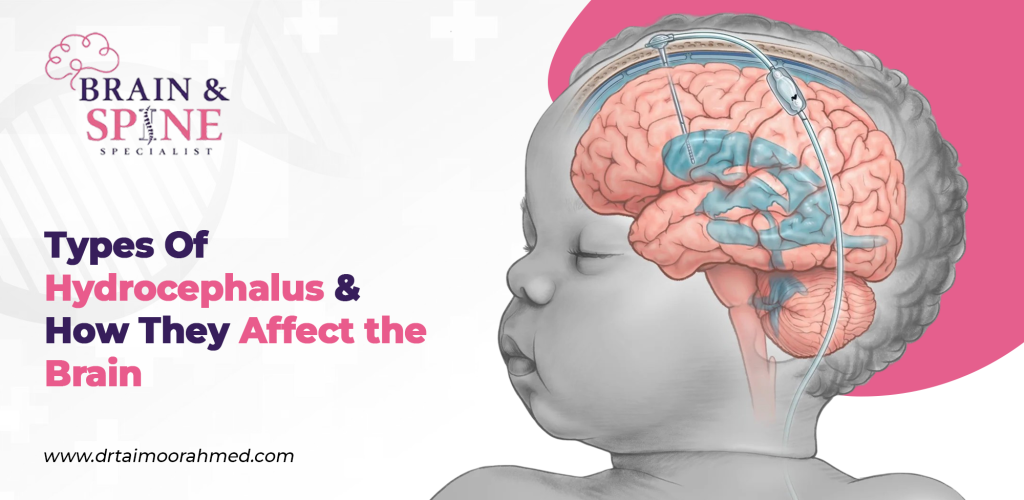
Your thoughts, movements, memories, and emotions are all under the control of a single organ, the brain. It needs to maintain a balance between fluids and tissues for proper functioning. Of utmost importance among the fluids is cerebrospinal fluid (CSF). This fluid acts as cushioning for the brain, providing nutrition, removing wastes, and protecting the central nervous system from injury.
The buildup of this fluid within the ventricles of the brain is referred to as hydrocephalus, a condition that may require hydrocephalus treatment depending on its cause and severity. Excess CSF leads to exerting additional pressure on the brain, which in turn may lead to damage to delicate brain tissue.
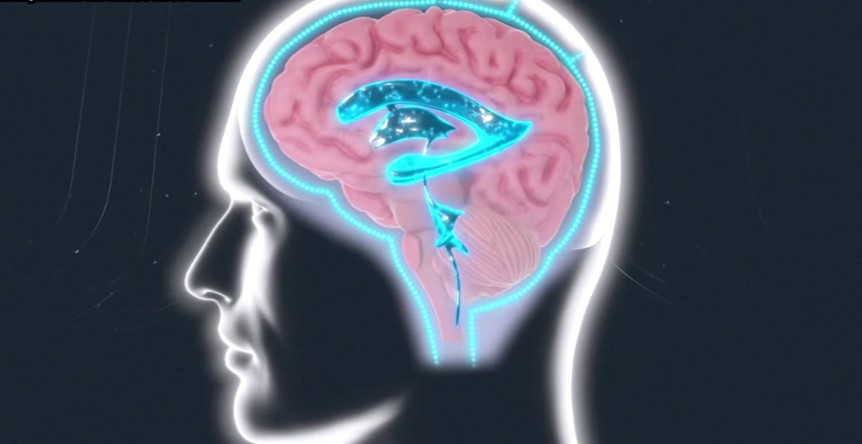
Moreover, there are several different types of hydrocephalus; therefore, it is important to understand them in order to find the cause of the disease.It also demonstrates the need for a compassionate specialist like Dr Taimoor Ahmed, who is highly regarded for his advanced neurological treatment approaches.
In addition, his patient-focused strategies are his specialty. This blog will spotlight all the types of hydrocephalus to let you identify their possibility of occurrence and approach the right expert in the field.
This condition occurs when there is an impairment in the production, absorption, or movement of CSF. In a healthy body, CSF flows continuously in the ventricles as well as around the brain and the spinal cord before going into the bloodstream.
In case there is an interruption in this flow, CSF builds up in the ventricles, leading to their swelling. With pressure building, the compression transfers to the brain tissues surrounding the ventricles. All things together interfere with the normal functions of the brain. Several factors, including age and the cause of the fluid build-up, determine symptom presentation. The condition may occur gradually or suddenly.
The brain sits inside the hard skull that provides very limited space for growth. As mentioned above, hydrocephalus is a medical condition that refers to Cerebrospinal fluid accumulation. As this fluid fills the brain, the ventricles expand and compress the adjacent brain tissues.
The resulting pressure might affect brain structures that control motor skills, memory, balance, vision, speech, learning, and cognition. In infants who have not yet developed their skull completely, hydrocephalus can result in the enlargement of the baby’s head. But, in older individuals, it causes headaches, nausea, vision impairments, confusion, and neurological defects due to the inability of the skull to grow further.
In the absence of treatment, the continued pressure might harm brain neurons and impair the process of neurological development.
Meet Dr Taimoor Ahmed to receive comprehensive hydrocephalus care for every age
Your journey to better brain health needs expert care
On the basis of its cause and how cerebrospinal fluid circulation is affected, there are different types of hydrocephalus. The following description can explain these.
Even though symptoms differ based on age and condition.
Any long-term neurological symptoms need to be examined by a doctor.
In the end, hydrocephalus is a complicated disease that may occur at any age. But if a person recognizes their symptoms early and receives proper treatment, the results could be beyond expectations. Various types of hydrocephalus have different clinical presentations and also require different treatment approaches. Among the most prominent types are communicating, non-communicating, and normal pressure hydrocephalus.
They may cause symptoms such as headaches, vision problems, and much more, depending on their severity and underlying causes. For patients who require surgical treatment, understanding what is a VP shunt can also be helpful, as a ventriculoperitoneal (VP) shunt is one of the treatment options used to manage certain cases of hydrocephalus.
In this context, the role of dedicated health experts like Dr. Taimoor Ahmed, a leading neurologist in Sialkot, is undeniable. He is committed to providing safer, advanced, and highly effective treatments that help improve his patients’ quality of life. Thanks to developments in the methods of diagnostics, neurosurgery, and rehabilitation, many people with hydrocephalus have a chance to lead healthier lives.